

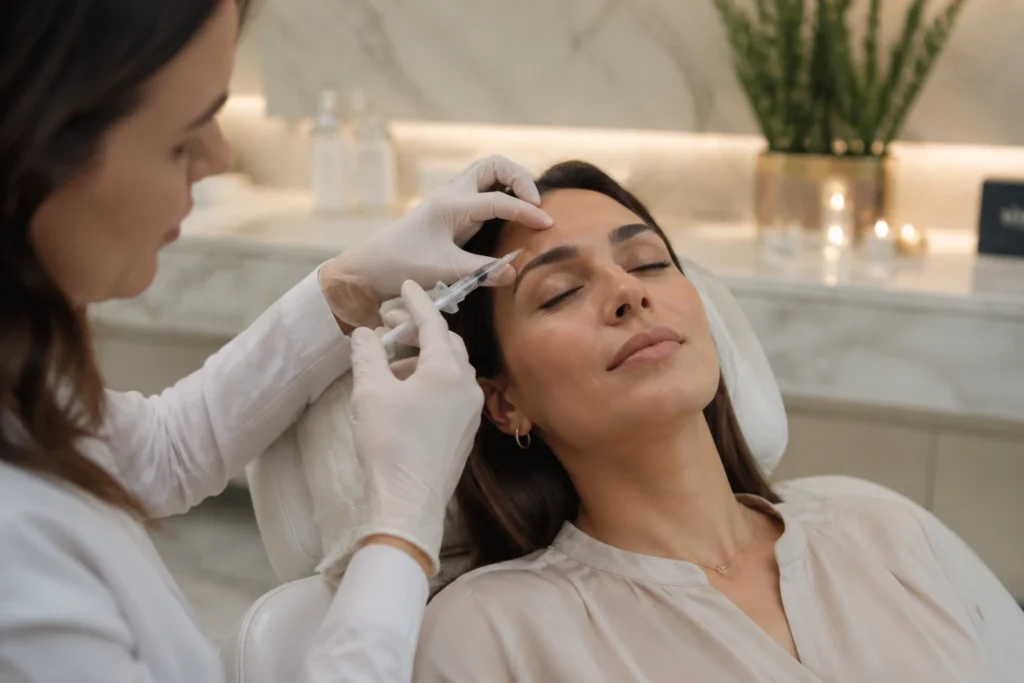
Thinking about the long-term effects of Botox? These essential insights empower you to make informed, confident decisions about your skincare journey—rooted in transparency, personalization, and your wellbeing. Scan these high-impact points for the facts and actionable strategies before your next treatment.
- Personalized treatment is essential—individualized Botox plans, tailored to your anatomy and goals, minimize risks and optimize natural, long-lasting results.
- Long-term use can cause mild muscle atrophy, but for most clients, full muscle function returns within 3–6 months after stopping treatments.
- Skin quality may subtly change with ongoing Botox—monitor for dryness, thinning, or reduced firmness and update your skincare routine proactively with hydration and daily SPF.
- “Frozen” look is avoidable—work with a skilled injector using tailored dosing to maintain natural facial expression and authentic, confident animation.
- Serious side effects are rare, but transparency during consultation—including disclosure of health history and thorough medical screening—protects your safety every session.
- Botox may lose effectiveness over years due to antibody formation (in 1–3% of clients), so stay alert to changing results and review options with your provider if results fade.
- Ongoing check-ins and photographic tracking ensure evolving care—regular reviews and before/after photos help spot changes early and keep your results on track.
- Innovation and open dialogue drive safety—digital mapping, advanced skin imaging, and honest communication mean you can enjoy the confidence of modern, personalized aesthetic care.
Staying informed, vigilant, and partnered with an expert provider means your long-term Botox journey can be both safe and empowering—explore the full article for deeper guidance and real client experiences.
Introduction
Imagine smoothing frown lines for years—only to wonder, what happens beneath the surface as the journey continues?
Botox is celebrated for its ability to refresh your appearance and boost confidence—but if you’re considering ongoing treatments, it’s natural to ask about the big picture: How does long-term use truly affect your skin, muscles, and wellbeing?
That question isn’t just about curiosity—it’s about making empowered, informed decisions that align with your goals. In communities like Mississauga and Waterloo, where personalized aesthetics are becoming wellness rituals, more people are exploring not only what results they see in the mirror, but what unfolds after years of consistent care.
Here’s the reality—while studies show that over 80% of long-term Botox users enjoy consistently smoother skin, subtle changes can arise beneath the surface:
- Gradual thinning or textural shifts in treated skin
- Subtle changes in muscle tone or facial movement
- Rare risk of antibodies building, reducing Botox’s effect
You deserve both visible confidence and transparency about what long-term treatment really means—from reversibility to risks, from everyday beauty to the science behind the scenes.
This guide delivers what matters most for anyone interested in ongoing Botox:
- Clear, unbiased insights backed by current research
- Realistic, personalized outcomes for every age and lifestyle
- Reassuring strategies to maximize benefits and minimize unwanted changes, all with experienced, client-focused care
Whether you’re a loyal client or just considering what’s next for your skin, you’ll discover practical tips, side-by-side before/after scenarios, and honest perspectives—always with your individual journey front and center.
If you’re curious about how Botox can support your long-term wellbeing, or how tailor-made plans protect your natural beauty, keep reading—next up, how Botox’s mechanism sparks changes with time, and what that means for you.
Understanding the Mechanism: Why Long-Term Botox Effects Occur
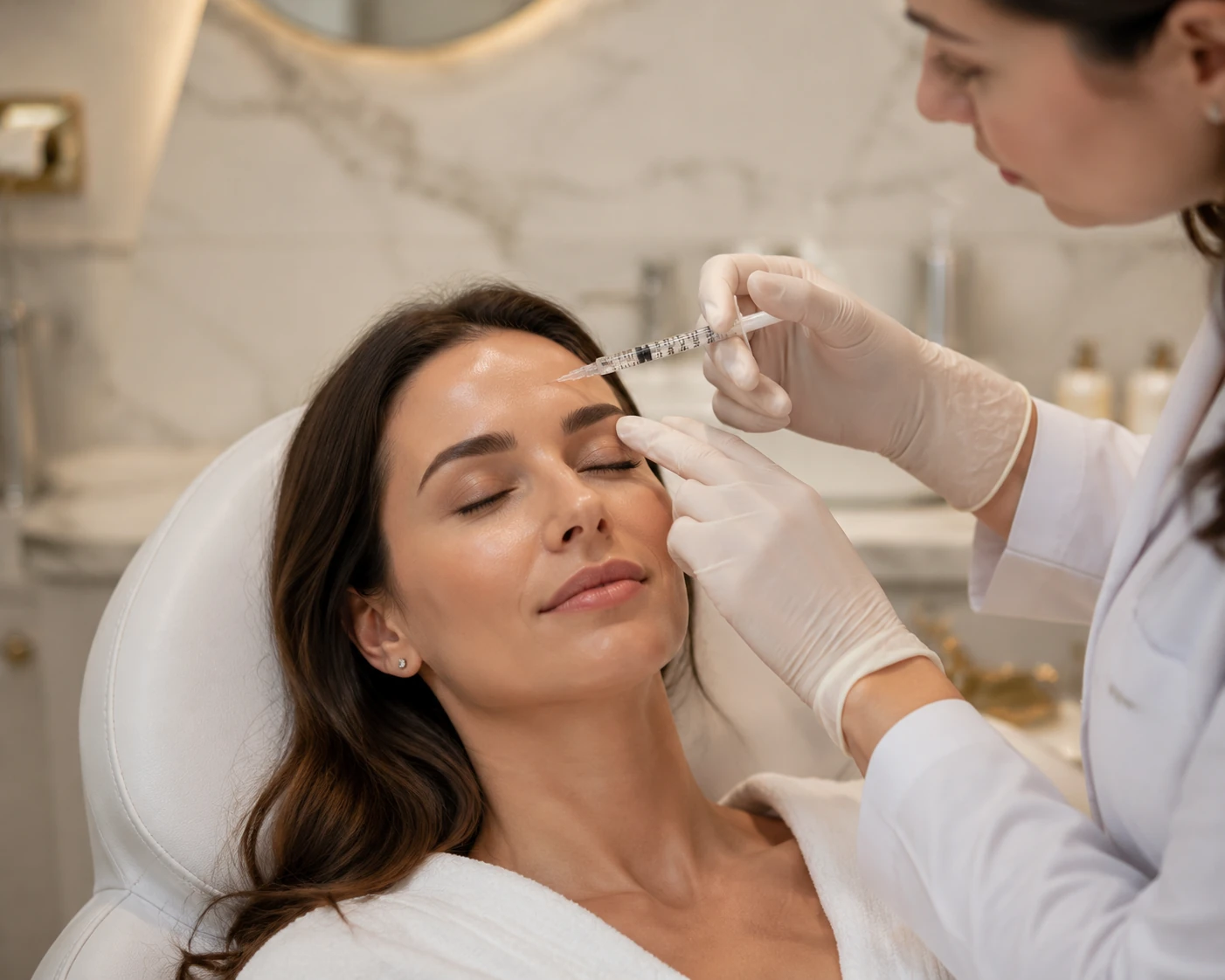
When you receive a Botox treatment, the ingredient botulinum toxin type A gently blocks the signals between nerves and muscles at the neuromuscular junction.
This action temporarily relaxes the targeted muscles responsible for wrinkles, smoothing the skin above and delivering a fresher, rejuvenated appearance.
What Happens With Repeated and Prolonged Treatments
A single Botox session typically wears off in 3–4 months, while repeated use over several years gradually changes both muscle and skin behavior.
Picture this: regular treatments prevent certain muscles from contracting, much like pressing pause on facial movement. Over the long term, studies show this can lead to:
- Disuse atrophy: muscles gradually shrink if not used
- Subtle shifts in the structure of muscle fibers, potentially altering muscle tone and function
- Possible changes in the overlying skin, such as reduced elasticity with years of ongoing treatment
80% of long-term users report visible, consistent smoothing of dynamic lines, but some may notice subtle changes in muscle fullness or skin texture after years of upkeep.
Cosmetic vs. Medical Indications for Long-Term Use
There’s a difference between smoothing crow’s feet and managing chronic migraine.
For cosmetic purposes:
- Intervals are shorter (every 3–4 months)
- Goals are natural rejuvenation and confidence
For medical indications (e.g., spasticity, migraines):
- Higher doses and larger areas may be treated
- Cumulative effects are closely monitored for safety
Both approaches demand ongoing assessment and adjustment—no two treatment journeys look the same.
The Case for Personalized Treatment Plans
Choosing the right frequency and dose for you is essential. That’s why personalized Botox plans are the gold standard.
Your provider will consider:
- Skin type, muscle anatomy, and treatment goals
- Health history, lifestyle, and how your body responds over time
- Innovations such as digital facial mapping to optimize safety
“Botox is as much about artistry as precision—it’s about finding the right dose and frequency for you.”
One size never fits all.
Personalized care means you get optimal results with minimal risk, even as the years go by. The best long-term outcomes start with a conversation—think of every visit as a check-in on your evolving needs.
Muscle Changes: Atrophy, Weakness, and Recovery Potential
How Botox Shapes Muscle Over Time
Every time you receive Botox, it temporarily relaxes targeted muscles by blocking nerve signals at the neuromuscular junction.
When these tiny muscles—like those on your forehead, around your eyes (crow’s feet), or along your jaw (masseters)—stay inactive for months at a time, they can begin to shrink from lack of use.
This phenomenon, known as disuse atrophy, is well documented in clinical studies.
Numbers tell the story: Regular injections can lead to a measurable reduction in muscle thickness and firmness, especially where movement is most frequently blocked.
The changes may be subtle at first—a softer look above the brows, a gently lifted jawline—but become more apparent with years of sustained treatment.
Reversibility: Can Muscle Tone Come Back?
The reassuring news: Most muscle weakness caused by Botox is temporary and fully reversible.
After discontinuing Botox, treated muscles typically begin regaining strength and function within 3 to 6 months—about the same time it takes for the medication to wear off.
Recovery may look like a gradual return of natural expressions and facial movement.
If you’re seeking to speed up the process or maximize results, consider these steps:
- Gentle facial exercises can help rebuild muscle tone
- Targeted physiotherapy addresses more pronounced changes
- Hydration and proper nutrition support skin and muscle health
Clinical data suggests truly permanent atrophy is rare—especially with individualized care and realistic dosing.
Balancing Beauty and Function: What to Watch For
Picture this: After several years of Botox, you notice one eyebrow arching higher or a slight asymmetry in your smile. This is how muscle atrophy can subtly affect facial balance and expression.
In some clients, weakened muscles may lead to:
- Changes in brow height or eyelid position
- Uneven smile or mouth movement
- Shifts in how facial features align
Before-and-after photos during your journey offer invaluable insight for both you and your provider.
Regular check-ins with a qualified injector help:
- Detect early signs of muscle imbalance
- Adjust each treatment to your evolving anatomy
- Personalize dosing to achieve natural, harmonious results
Muscle atrophy and weakness from long-term Botox are generally reversible and mild—but tracking subtle changes, staying in close consultation, and investing in personalized care are the best ways to keep both your beauty and facial vitality in balance.
Skin Quality and Structural Changes with Long-Term Botox
Observed Effects on Skin Health
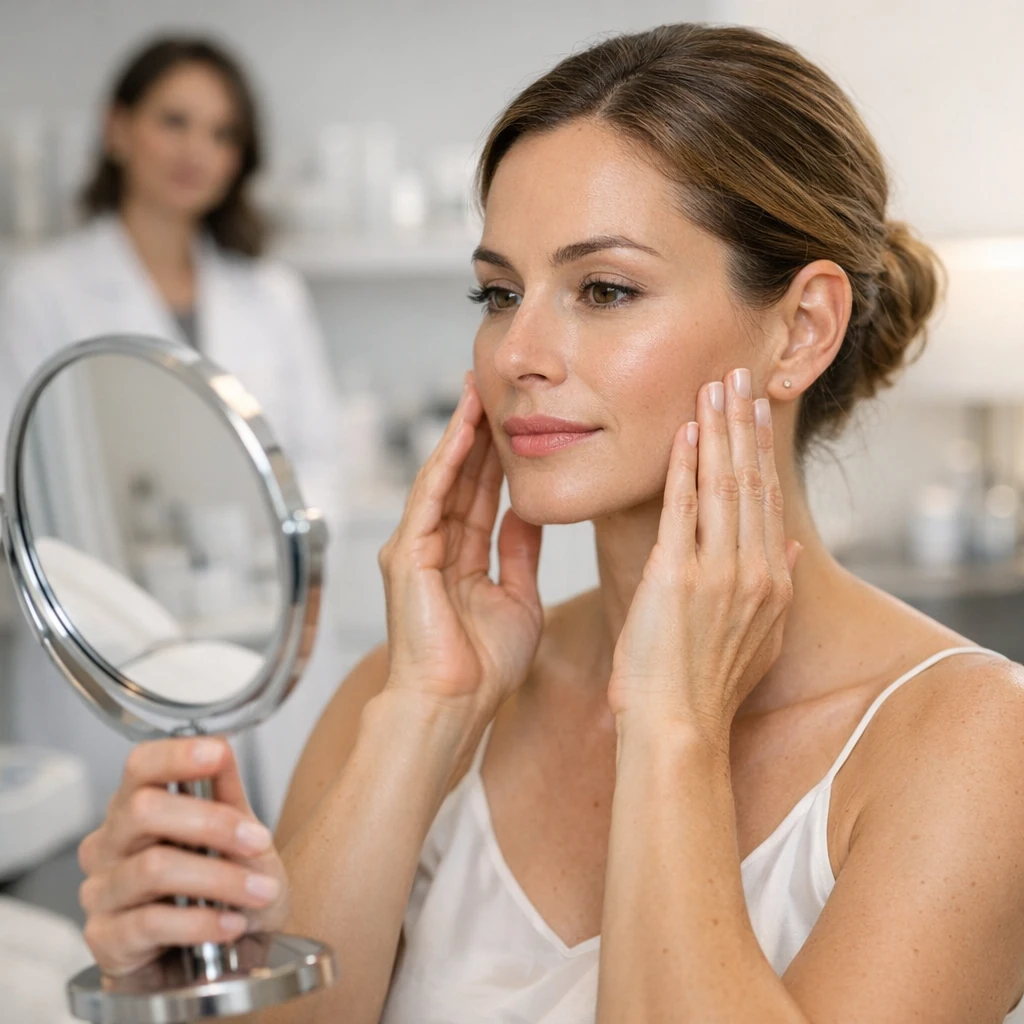
Long-term Botox use offers smoother skin, but research shows subtle changes beneath the surface with repeated sessions.
Studies report the following potential effects after years of consistent injections:
- Skin thinning in areas of ongoing treatment, especially the forehead and around the eyes
- Gradual reduction in collagen and elastin, key ingredients for bounce and firmness
- Increased risk of dehydration and a weakened skin barrier, leaving your skin more sensitive to sun and environmental damage
Picture this: over time, skin that looked effortlessly smooth may become more delicate, especially if treatments are frequent or the technique isn’t perfectly tailored.
Risk factors include:
- Age and pre-existing skin condition
- Shorter treatment intervals (frequent touch-ups)
- Injection depth and placement technique
“Long-term Botox makes skin care a marathon, not a sprint—hydration, gentle hands, and smart intervals are your best allies.”
—
Monitoring and Managing Skin Changes
Keeping your glow comes down to awareness and prevention.
Watch for:
- Noticeable thinning or creping in treated areas
- Unusual dryness, redness, or slower healing
- Loss of firmness or a sudden increase in fine lines
Protect your results with:
- Moisturizing daily—think hyaluronic acid or ceramide-rich creams
- Consistent sunscreen use (SPF 30+) regardless of season
- Consulting your provider if skin changes appear, as you may need to adjust how often or where Botox is placed to avoid stressing the skin
One social-worthy tip: “Listen to your skin. If it whispers with dryness or dullness, take action—don’t wait for a shout.”
—
Enhancing Long-Term Outcomes with Adjunctive Treatments
For next-level results, complementary therapies can counterbalance the subtle impacts of long-term Botox.
Consider:
- Microneedling or PRP (platelet-rich plasma) to boost collagen naturally
- Advanced serums packed with peptides and antioxidants for daily nourishment
- Tailored aftercare routines that your clinic reviews and tweaks at each visit
Regular, in-person check-ins with your provider give you the most transparent view of your skin’s evolving needs.
Remember: “The most confident, natural results come from continuous, personalized assessment—not a set-and-forget approach.”
—
When it comes to Botox and skin health, informed, proactive care is everything. Monitoring your skin and staying flexible with your treatment plan helps ensure that every year brings renewed confidence, not compromise.
If you’re considering aesthetic treatments beyond wrinkle reduction, explore our personalized Botox treatments designed to enhance natural beauty while prioritizing long-term skin health and facial balance. Our expert team creates tailored treatment plans that evolve with your goals for safe, natural-looking results.
Facial Expression and Emotional Communication: Permanent and Temporary Changes
Understanding the “Frozen” Look
Long-term Botox use can lead to a persistent reduction in facial animation, especially when injections are frequent or high-dose.
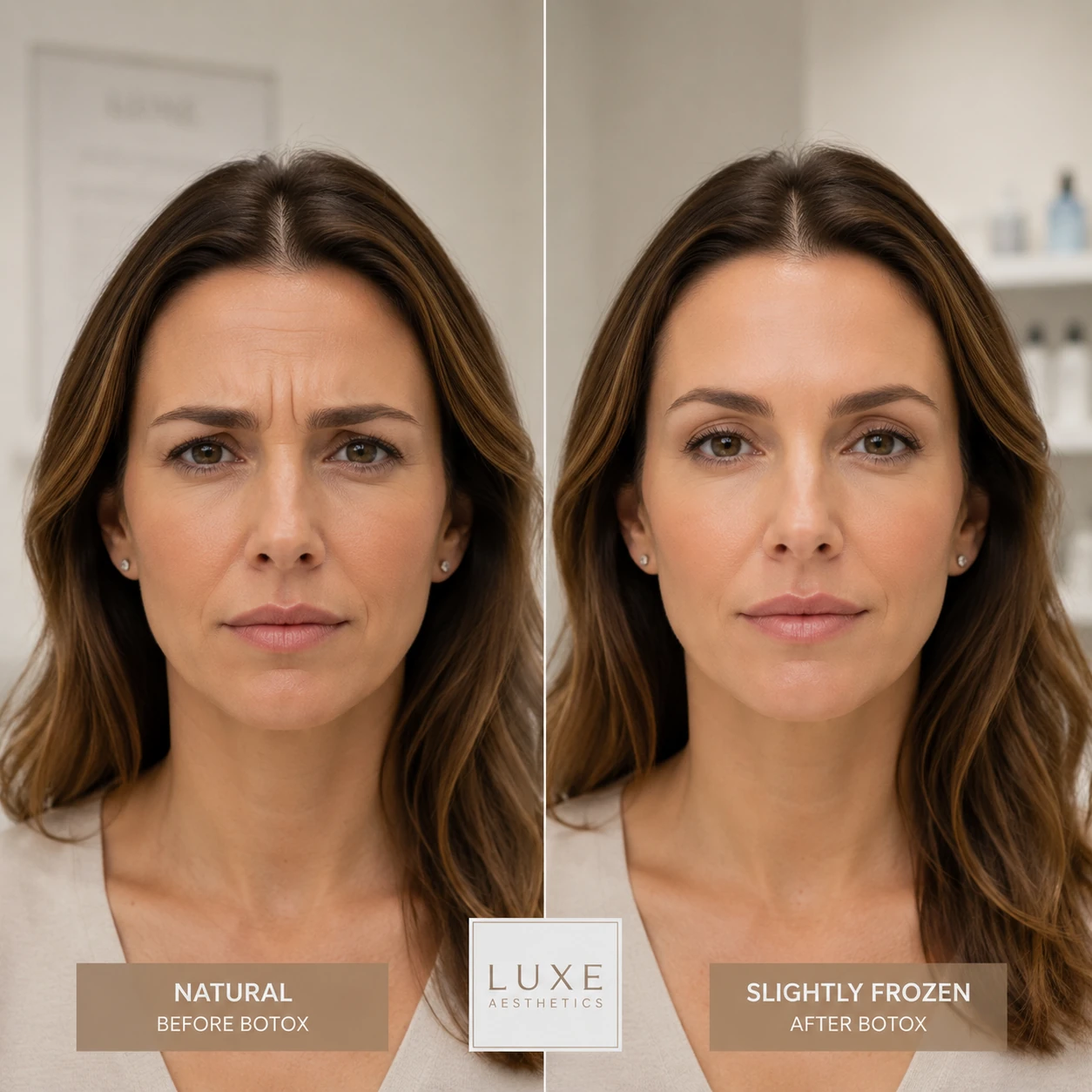
This “frozen” look is the result of ongoing muscle paralysis—treated areas simply don’t move as much, which smooths wrinkles but can also dampen natural expressive movement.
Key muscle groups at risk include:
- Forehead (frontalis) muscles—responsible for raising your eyebrows
- Muscles around the eyes (orbicularis oculi)—which help you squint, smile, and express surprise
- Glabellar lines (between the brows)—key for frowning and expressing concern
For anyone whose lifestyle or profession relies on visible emotions—think teachers, actors, influencers—these subtle changes in non-verbal communication can alter how you’re perceived, even if you still feel the same inside.
“Picture this: you’re telling a story, but your face won’t quite match your words—a disconnect that friends, coworkers, and even strangers can notice.”
Avoiding the Mask-Like Effect
Here’s the good news: Skilled injectors use tailored dosing and expert mapping to help you avoid an unnatural look.
Strategies include:
- Personalized injection plans based on your facial anatomy and goals
- Adjusting dosage to maintain natural movement in key zones (like the outer brows)
- Varying treatment intervals to minimize muscle dependence
Real-world outcomes show a spectrum: Some clients maintain soft, animated results even after years, while others—especially with over-treatment or “cookie-cutter” dosing—experience a more mask-like, less responsive effect.
“Balanced Botox doesn’t erase who you are—it simply helps your confidence show through.”
Possibility for Permanent Alteration
Research highlights that most changes in expression are temporary—muscle function usually returns after stopping treatment.
However, rare published cases document individuals with long-standing “flatness” or altered emotional expression that may persist for months or years.
Factors that increase risk include:
- Higher Botox doses and very frequent treatments
- Unique facial anatomy (everyone processes Botox differently!)
- Extended use over many years
Trends show clients requesting more subtle, flexible results—and experienced clinics (like ours in Mississauga and Waterloo) now emphasize ultra-customized approaches and photo tracking to prioritize both safety and self-expression.
With thoughtful treatment planning and honest conversations, you can smooth lines while preserving what makes your smile—and your story—uniquely yours.

Rare and Serious Long-Term Adverse Events
Uncommon Complications: What You Need to Know
For most clients, Botox is safe when administered correctly, but rare, serious risks do exist.
Picture this: you love your refreshed look, but a few distinct problems can arise if not managed properly. The following complications have been documented in clinical studies and case reviews:
- Corneal ulceration from periocular (around the eye) injections, which may cause eye pain, blurred vision, or light sensitivity
- Urinary retention when Botox is used in large doses for non-cosmetic medical conditions, leading to trouble emptying the bladder
- Neurological worsening—in rare cases, clients with underlying neurological diseases (like ALS or myasthenia gravis) have experienced exacerbation of their symptoms
Quotable for socials: “While serious long-term Botox complications are rare, understanding early warning signs could make all the difference.”
Protecting Yourself: Key Safety Precautions
Proactive steps can significantly reduce the risk of severe long-term effects. Before your first treatment—or any maintenance session—full transparency during consultation is essential.
What does this look like in practice?
- Disclose any history of muscle or nerve disorders, eye surgeries, or bladder issues
- Share all current medications, especially those impacting muscle or nerve function
- Review allergies, sensitivities, and previous responses to injectables
During your visit, experienced practitioners will:
- Screen for risk factors with a detailed medical history and pre-procedure assessment
- Discuss what to expect and signs to watch for, including:
- Sudden vision changes or persistent eye irritation
- Difficulty emptying the bladder
- Unexpected muscle weakness beyond treated areas
“Open dialogue and careful history-taking are your best defense against rare but serious Botox side effects.”
Ongoing Monitoring and When to Take Action
After treatment, ongoing observation helps catch issues early. Most clinics (including ours) recommend:
- Immediate follow-up if you experience persistent vision problems, new limb weakness, or urinary changes
- Routine reviews every 3-6 months, especially for those on long-term Botox or with unique risk factors
- Photographic documentation to track subtle changes over time and support decision-making
In rare instances, serious complications can be managed quickly with medical intervention if caught early.
What makes the experience truly personalized? It’s a blend of skilled screening, photographic tracking, and open lines of communication.
The takeaway: Rare long-term Botox risks exist, but are largely preventable with transparent care and ongoing monitoring—empowering you to focus on looking and feeling your best, safely.
Neurological and Immune Responses to Repeated Botox Use
Understanding Temporary and Rare Neurological Effects
Most people experience only mild neurological side effects after Botox: think occasional headache, brief numbness, or mild discomfort in the treated area.
These minor symptoms usually fade within days or a couple of weeks, rarely leaving a lasting mark.
In rare scenarios, some people report nerve changes, like tingling, weakness, or odd sensations near the injection site.
- Nerve effects are uncommon and generally reversible
- Early intervention and personalized aftercare can help regain function
- Persistent symptoms should always prompt a call to an experienced injector
Picture this: You notice mild tingling at your brow after months of treatments. While unsettling, research shows that with proper attention, these symptoms usually resolve—real peace of mind for long-term clients.
Antibody Formation and When Botox Stops Working
With extended Botox use, your body can form neutralizing antibodies—proteins that block Botox’s effect—making treatments less effective or even suddenly ineffective.
Latest studies estimate that 1%–3% of long-term users may develop these antibodies.
If you notice your results seem to “wear off” faster or no longer work, consider these steps:
- Consult your provider about switching to an alternate product or spacing out treatments
- Ask for antibody testing and a full review of your treatment history
- Review your personalized treatment plan for possible adjustments
“The key to great results? An open line of communication and adapting as your body’s needs evolve.” (Perfect for sharing or discussion with your aesthetic provider.)
Personalization: Genetics, Lifestyle, and Immune Response
Not all bodies react the same way to repeated Botox.
Factors that may influence your immune response include:
- Genetics and family history of immune reactions
- Stress, lifestyle, and overall health habits
- Frequency and dosage of Botox administered
Tailored protocols, regular reviews, and expert guidance help minimize immune complications—ensuring your results are both safe and effective.
Imagine seeing your before-and-after photos in a calm, elegant spa setting and knowing your unique needs are driving every step.
Every long-term Botox journey is unique. By staying in close touch with your provider, monitoring for changes, and embracing personalized adjustments, you can enjoy the confidence of results that last.
Research Trends and Evolving Knowledge on Long-Term Botox Safety
What Current Long-Term Botox Studies Reveal
Large-scale clinical studies show that Botox remains safe for most users even after years of regular treatment. Most long-term side effects—such as mild muscle weakness or subtle skin changes—are reversible once injections stop.
Decade-long research suggests:
- Consistent Botox use rarely leads to severe complications
- Muscle changes like atrophy are usually temporary, but may persist with continued use
- A minority of patients develop antibody resistance, meaning fewer visible results over time
If you picture a side-by-side photo spread: after 5+ years of Botox, most clients show smoother skin, with only subtle shifts in natural movement, provided their treatments are well-tailored.
Where Questions Remain: Multi-Decade Effects
Despite reassuring findings, there are gaps in research for those using Botox continuously over 15, 20, or more years. We still need:
- More multi-decade patient tracking
- Studies on nuanced changes in muscle tone, skin elasticity, and immune response
- Real-world data on different ages, lifestyles, and skin types
Of note, our commitment is to complete transparency—you’ll always know what’s proven, and what’s still being explored.
Monitoring, Tracking, and Best Practice Protocols
Long-term clients benefit most from a personalized reassessment plan. The best safety approaches include:
- Annual to semi-annual check-ins for thorough reviews of movement, skin, and overall wellness
- Routine “before and after” photos to track subtle changes—essential for catching issues early
- Patient education and clear, candid conversations about evolving risks and benefits
A quick tip: Save your baseline photos after your first visit—they’re your “control group” as you monitor changes through the years.
Innovation: Technology Enhancing Botox Safety in Ontario
Advancements in aesthetic medicine are making Botox even safer. Imagine:
- Digital mapping tools allowing precise tailoring of every injection point
- Secure online records that track product batches, techniques, and individual results
- Virtual consultations, so ongoing assessment fits your lifestyle
Mississauga and Waterloo clients, picture being able to review your rejuvenation journey at a glance—high-res skin imaging reveals how your skin, tone, and expression evolve, empowering you to make informed decisions.
To sum up, trusted clinics now offer not just Botox but holistic monitoring and evolving care, supported by data and innovation. The most empowered clients are those who stay curious, ask questions, and make decisions hand-in-hand with their providers.
Conclusion
Your Botox journey should always empower your confidence—not just today, but years from now. The key to smooth, natural results and lasting wellbeing is embracing a personalized, proactive approach at every stage.
Long-term Botox can be transformative, but real radiance comes from informed choices, honest communication, and ongoing partnership with a skilled provider. Your evolving goals deserve care that adjusts with you—delivering more than just surface beauty.
—
Here’s what truly supports your best skin and self:
- Prioritize regular check-ins—schedule semi-annual reviews and maintain clear “before/after” photos to track subtle changes over time
- Be transparent in your consultations—share health updates, goals, and any new concerns so your plan evolves with you
- Adopt expert-recommended aftercare—commit to consistent hydration, daily sunscreen, and professional skincare
- Embrace individualized treatment mapping—insist on injection plans tailored to your anatomy, lifestyle, and desired expression
- Stay curious and connected—ask questions, monitor outcomes, and adjust your approach as new research emerges
—
Ready for your next step?
- Book a personalized consultation with a certified injector in Mississauga or Waterloo
- Update your health and skincare notes before your next visit
- Review your treatment timeline, photos, and how your goals have changed
- Share any questions or observations—open dialogue paves the way for optimal, lasting results
—
Confidence is a journey, not a finish line. With transparent care and innovation, you’re empowered to reveal your best self at every age. Your expression is unique—let your treatment plan reflect that, and let your story shine.
or additional medical guidance on botulinum toxin safety and cosmetic injectables, review the educational resources provided by the American Academy of Dermatology Botox Guide, which explains treatment safety, side effects, and patient considerations in detail.