Is Botox Safe in 2025? Discover the latest evidence-based data, side-effect rates, and expert guidelines to ensure your Botox treatments are safe, authentic, and professionally delivered. Learn how to protect your results with confidence.
- Botox is clinically proven safe when administered by licensed professionals using FDA- or Health Canada-approved products, with most side effects—like mild bruising or swelling—resolving within a few days.
- Over 95% of clients report satisfaction from both cosmetic and medical Botox treatments, and adverse events typically affect fewer than 4% of users and are almost always mild and short-lived.
- Personalized assessment is essential—avoid one-size-fits-all clinics by seeking custom consultations, transparent product sourcing, and individualized aftercare for the best and safest outcomes.
- Authenticity and provider credentials matter most—only trust clinics that verify their injectors’ qualifications and the origin of every vial, as counterfeit Botox and unlicensed practitioners pose the greatest risks.
- Visible results appear fast—many clients notice changes in as little as 1-2 days, with peak smoothing effects typically at 2 weeks, and benefits lasting 3–6 months depending on individual factors.
- Common side effects are minor—expect only temporary symptoms like mild redness (15–25%), headaches (6–10%), or rare eyelid droop (1–3%), especially if you’re a first-time client or have sensitive skin.
- Safety is ongoing—expert clinics prioritize proactive aftercare, open communication, and detailed follow-up, encouraging clients to report concerns promptly for complete peace of mind.
- Real results start with integrity—ask to see before/after photos, verify product packaging, and choose clinics backed by consistent safety records and transparent practices.
Feel confident and informed as you explore Botox options—read the full article for in-depth guidance, real client stories, and expert tips tailored just for you.
Introduction
Ever wonder how over 6 million people worldwide choose Botox every year, yet so many still have questions about its safety?
Maybe you’ve seen friends emerge from a lunchtime appointment looking subtly refreshed—or read headlines about rare complications and want clarity you can trust.
If you’re considering Botox to smooth lines, ease migraines, or simply enhance your confidence, knowing what’s genuinely safe in 2025 is essential.
What sets safe, confidence-boosting results apart from worry? Evidence, personalized care, and product integrity—especially here in Mississauga and Waterloo, where clients expect more than just a quick fix.
You deserve answers that are:
- Backed by real-world clinical data and up-to-date research
- Clearly explained by licensed professionals, never hidden in fine print
- Specific to your needs and lifestyle, not one-size-fits-all promises
By reading on, you’ll discover:
- How Botox is regulated and monitored for safety in both cosmetic and medical uses
- The true likelihood and nature of side effects, from what’s common to what’s exceedingly rare
- What credentials and protocols to require from any provider—ensuring authenticity and peace of mind
- Practical tips to protect your results (and yourself) in an increasingly crowded marketplace
Whether you’re new to Botox or seeking the next level of assurance, this review offers honest, evidence-based insight—never hype—so you can reveal your best skin, safely and beautifully.
Step into a world where luxury meets transparency, and let’s demystify the science behind the world’s most popular non-surgical treatment.
Next up: find out what Botox really is, how it works, and why its safety profile rests as much on expertise as on the product itself.
Understanding Botox: What It Is and How It Works
Picture this: You walk into a serene clinic, sunlight glinting off soft gold details, ready to explore a treatment known for delivering real, confidence-boosting results. Botox, or onabotulinumtoxinA, may be on your mind—but what exactly is it?
What Is Botox? Origins and Ingredients
Botox is a purified protein derived from the Clostridium botulinum bacterium.
It’s engineered for safety in medical-grade labs, and when used correctly, this protein temporarily relaxes targeted muscles.
- Each vial contains precisely measured units to ensure consistent, reliable results.
- No fillers, fragrance, or dyes—Botox is about pure, medical-grade science.
- Only trusted brands, like Botox® Cosmetic, are considered safe.
Approvals, Oversight, and Why They Matter
FDA approval since 2002 ensures every bottle meets the highest quality standards for both cosmetic and medical purposes.
- Health Canada regulates Botox for Canadians, ensuring authenticity and traceability from manufacturer to your clinic.
- Clinics like Derma Secret source directly from approved distributors—counterfeit products are a non-starter.
Safety is built into every layer, from sourcing to storage.
Cosmetic vs. Medical Uses: Key Differences
Botox isn’t just for smoothing fine lines—it’s also used in treating chronic medical issues. Here’s how:
- Cosmetic applications: Glabellar (frown) lines, crow’s feet, forehead lines for a smoother, refreshed look.
- Medical indications: Chronic migraines, excessive sweating (hyperhidrosis), muscle spasms, and more.
- Each indication comes with its own FDA-approved protocol—dosage, placement, and follow-up all matter.
Science You Can See—and Feel
Botox works at the neuromuscular level, blocking signals between nerves and muscles.
This makes treated muscles relax, so lines soften and symptoms ease.
- Results for most aesthetic treatments appear within days, peaking at 1-2 weeks.
- Medical treatments may use different dosages, with effects tailored to each condition.
Trusted Source, Personalized Care
Where and how you receive Botox is as important as the product itself.
- Only licensed professionals trained in current protocols should perform injections.
- Clinics should offer clear product sourcing, before/after photos, and a personalized consult.
- Your treatment plan must always be tailored, never templated.
Personalized consultation is key—there’s no one-size-fits-all here. The most beautiful results are both safe and uniquely yours.
Key Takeaway: Botox’s power comes from a decade of science, strict oversight, and personalized application—when you trust the process, you reveal your best skin with confidence.
Evidence-Based Review of Botox Safety
Staying informed about Botox safety in 2025 means leaning into current clinical trial data, real client outcomes, and regulatory insights.
Whether you’re addressing frown lines or chronic migraine, safety begins with the right expertise, proven products, and personal consultation—not one-size-fits-all promises.
The latest systematic reviews confirm that when licensed professionals use FDA or Health Canada–approved Botox, most adverse events are mild, like:
- Temporary injection site pain
- Brief headaches
- Minor bruising
- Very rare eyelid droop
According to multi-center trials, most clients experience only short-lived effects, with adverse event rates under 4% for both cosmetic and medical uses.
New Data and What “Generally Safe” Means
In recent Canadian and U.S. statements, Botox is described as “generally safe and effective” when delivered according to guidelines.
Picture this: In a recent study of over 2,700 aesthetic patients, over 95% reported satisfaction, and fewer than 1 in 30 had any side effect—almost always mild and gone within days.
Serious risks are rare, mostly linked to counterfeit or misbranded products, improper technique, or exceeding approved doses.
- The FDA and Health Canada both highlight the need to avoid products from unauthorized sources.
- Illegitimate Botox has been linked to severe reactions—always look for proof of authenticity.
Wondering if Botox is 100% safe? No cosmetic or medical procedure can make that claim.
What you can expect: adverse outcome rates below 4%, continuous regulatory monitoring, and comprehensive aftercare from reputable clinics.
How Safety is Determined
Every new Botox use goes through:
- Rigorous multi-phase clinical testing before approval
- Post-marketing surveillance using large-scale databases
- Routine updates to best practice protocols
At Derma Secret and other trusted Mississauga/Waterloo clinics, client safety means:
- Only board-certified injectors and nurses perform treatments
- Products sourced directly from Health Canada–recognized suppliers
- Every client receives a personalized safety assessment and post-care follow-up
The bottom line? “Generally safe” means Botox’s benefits significantly outweigh the low risk of mild, short-term side effects, especially when handled with expertise and transparency.
If you value treatments tailored for you, with every step explained, ask for proof of product and practitioner credentials—your peace of mind is part of your result.
Adverse Events and Side Effects: What to Expect
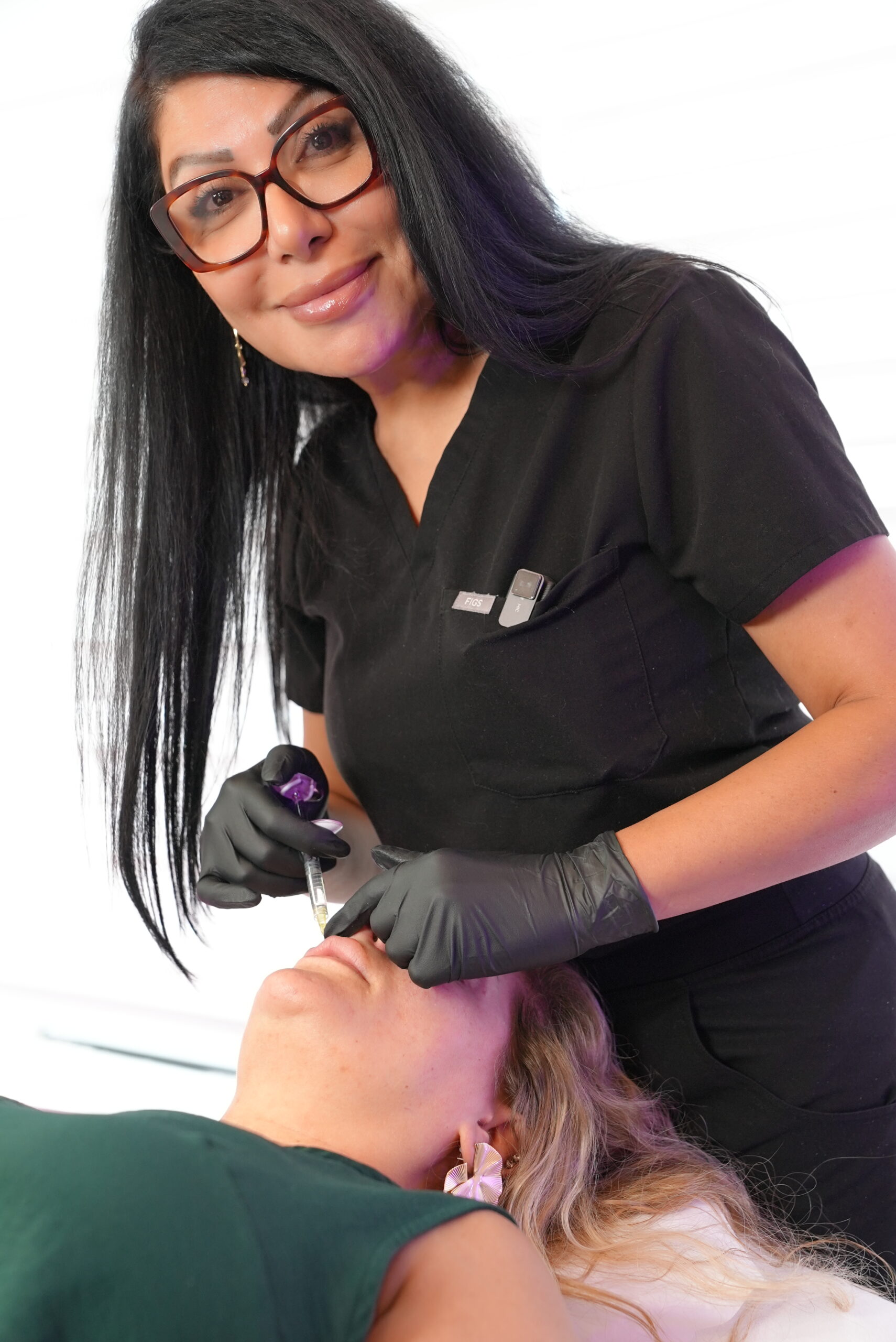
Botox is considered safe when performed in a regulated clinic with licensed professionals, but it’s smart to know what you might experience post-procedure.
The most common side effects are typically mild, short-lived, and resolve in days:
- Injection site pain or swelling (20–35% of clients)
- Minor bruising (5–15%)
- Headache (3–10%)
- Localized weakness such as mild eyelid droop (1–2%; resolves in 1–3 weeks)
- Temporary redness or sensitivity (under 10%)
Most people describe these effects as “manageable, like a passing blemish”—think slight soreness much like a flu shot, not a major interruption in your daily routine.
Who’s Most Likely to Experience Side Effects?
Your personal risk is shaped by several factors:
- First-time clients tend to have slightly higher chance of bruising or headache.
- Those with thin skin or who are prone to easy bruising may see visible marks a bit longer.
- Pre-existing neuromuscular conditions (like myasthenia gravis) are at slightly elevated risk for more pronounced side effects.
Picture this: a new client with sensitive skin notices mild swelling for 48 hours, then posts an after photo with a smooth, refreshed look on day three.
Rare but Serious Complications
While the vast majority of clients have minor aftereffects, keep an eye out for:
- Difficulty swallowing, speaking, or breathing (very rare, under 1 in 5,000)
- Severe allergic reaction (face or throat swelling, hives—extremely uncommon)
- Muscle weakness beyond injection site, signaling possible spread of toxin
- Signs of botulism-like effects: generalized weakness, vision changes—seek immediate care if these occur
Counterfeit products and unlicensed injectors dramatically increase the risk of these severe outcomes. Only seek Botox from reputable providers using authentic, FDA- or Health Canada-approved products.
“The number one way to protect your results and health: verify your provider and the source of your Botox,” is advice echoed by leading industry clinicians and visible in every safe, client-focused clinic.
Safety by Application: Real-World Results
Cosmetic treatments (frown lines, crow’s feet) show:
- Adverse event rates below 5%
- Nearly all effects are temporary, with full recovery usual within seven days
- Over 90% satisfaction rates, with clients reporting both subtle and dramatic improvements
Medical applications (chronic anal fissure, essential tremor, masseter hypertrophy) also boast reassuring numbers:
- Mild complications under 4% (most resolve without intervention)
- Success rates such as 73% healing for anal fissures after one injection
Before-and-after galleries often show mild redness or swelling immediately post-treatment—almost always gone by the first follow-up.
Monitoring, Aftercare, and When to Call
At credible clinics:
- Side effect tracking is standard at every step
- Personalized aftercare advice is given for your skin type, risk set, and goals
- Follow-up calls or check-ins are routine to ensure smooth recovery
Call your clinic or seek urgent care immediately if you:
- Experience swallowing or breathing difficulty
- Notice new or worsening muscle weakness
- Develop persistent hives or swelling
Every reputable provider will encourage clients to report anything that feels “not right,” and takes pride in being responsive day or night.
Whether it’s a tiny bruise or maximum peace of mind, transparent communication and expert aftercare make all the difference in your Botox experience. That’s the heart of safe, beautiful results—every client, every time.
Efficacy and Comparative Outcomes
Botox delivers visible results quickly—often within 24-48 hours for some formulations—with full effects typically peaking at 14 days.
For most clients, these results last between 3 and 6 months, depending on the area treated and individual factors like metabolism and muscle movement.
Recent clinical trials (2023–2025) confirm that:
- Day 1 onset is possible with select products, while traditional Botox peaks at 2 weeks
- Sustained improvement can last up to 6 months for glabellar (frown) lines and forehead lines
- Retreatment usually aligns with the 3–4 month mark for consistent smoothness
Picture walking out of your appointment, noticing a softer, revitalized appearance by the weekend, and still loving your look months later.
Comparing Brands and Adverse Event Profiles
There’s never been a better time for personalized results.
Multiple botulinum toxin brands are now approved:
- Botox (onabotulinumtoxinA): Trusted, consistent results—industry gold standard
- Jeuveau (prabotulinumtoxinA): Shows slightly faster onset (visible changes as early as 24 hours in some studies)
- Other brands offer similar efficacy, with marginal differences in duration and side-effect rates
Major trials reveal that adverse event rates—like localized pain, swelling, or mild headache—are comparable and rare across all brands when administered by experienced professionals.
“Most patients return for future treatments—over 90% satisfaction is the norm, not the exception.”
Patient Satisfaction, Trends, and Real Results
Clients consistently report high satisfaction:
- 90%+ say they’d repeat the procedure
- Most notice improvement in skin confidence and mood
- Before/after photos show natural-looking refreshment, never that “frozen” look
Picture this: A real Derma Secret client glances in the mirror two weeks post-treatment, seeing smoother skin, relaxed lines, and a subtle lift that feels like them—only even more confident.
Special Populations and Safety Considerations
Personalization is key when considering Botox. Not everyone is an ideal candidate.
Contraindications include:
- Pregnancy or breastfeeding
- Neuromuscular disorders (e.g., myasthenia gravis)
- Active skin infections or known allergy to Botox ingredients
For those with medical conditions or complex treatment histories, a custom consultation ensures safety.
Leading studies show repeated, long-term Botox use remains safe—no cumulative toxicity detected in more than a decade of research.
Takeaway
Choosing Botox should feel empowering, not confusing. Results are fast, satisfaction is high, risks are low when you work with qualified professionals, and every regimen should be tailored to you. Reveal your best skin and let your confidence show—safely and beautifully.
The Critical Importance of Provider and Product Integrity
Choosing a Botox provider is about much more than location or price—it’s your safety, your results, and your peace of mind.
Every step, from consultation to injection, deserves transparency and expertise.
Verifying Practitioner Credentials
Before scheduling, always ask about your practitioner’s qualifications.
Look for:
- Board certification in dermatology, plastic surgery, or another relevant specialty
- Additional training specifically in injectables
- Memberships in organizations like the Canadian Association of Aesthetic Medicine
You can (and should) request to see credentials and treatment photos—authentic clinics welcome these questions.
Product Sourcing and Authenticity
Not all “Botox” is created equal.
Recent FDA and Health Canada warnings highlight the risks of counterfeit or unauthorized products—posing genuine threats, from infection to serious health complications.
Key signs of authentic product sourcing:
- All vials labeled as onabotulinumtoxinA (Botox®) by Allergan or licensed equivalents (e.g., Jeuveau®)
- Packaging with official holograms, batch numbers, and expiry dates
- Clinics sourcing products only from certified medical distributors
Visual tip: If you’re shown a vial, it should match imagery on the manufacturer’s official site—no “off” fonts, languages, or missing seals.
Clinic Safety Protocols and Ongoing Education
A trusted clinic in Mississauga or Waterloo will have:
- Stringent cold-chain storage for toxin vials
- Single-use needles and sterile technique
- Regular staff education and compliance with the latest guidelines
Reputable clinics document every dose, keep detailed client records, and encourage ongoing training.
You should always feel comfortable asking, “Where do you get your products?” and “What happens if I experience side effects?” A confident provider gives clear, direct answers—never vague assurances.
The Power of Personalized Consultation
No two faces—or Botox plans—are alike.
Expect individualized assessment, in-depth discussion of your goals and concerns, and complete transparency about every step.
Personalized care means discussing your health history, prior experiences, and unique anatomy before any injection.
This isn’t just best practice—it’s your right as a client.
Picture this: You walk into a serene, sunlit clinic. Your provider greets you by name, walks you through the product box, and explains each step in calming, clear language. That’s what integrity feels like.
The one action you can take now—verify your provider and the authenticity of every product used. Ask questions, check credentials, and trust only clinics dedicated to your safety and empowerment. Real results—and true peace of mind—begin with integrity.
Frequently Asked Safety Questions
Thinking about Botox but want to be sure you’re making a safe choice? You’re not alone—most clients arrive with the same questions, and it’s our job to answer them with care, clarity, and integrity.
What are the Most Common Botox Side Effects?
Most side effects are mild and temporary—just like a quick pinch or some mild redness.
The latest clinical studies and real-world experience in reputable Canadian clinics show:
- Mild swelling or redness at the injection site (usually disappears within hours)
- Bruising, mild headache, or temporary tenderness may occasionally occur
- Transient eyelid droop (“ptosis”) in less than 2% of cosmetic cases, resolving within weeks
Clients often describe the recovery as “less than a day’s worth of downtime, if any at all.”
Can Botox Be Unsafe or Cause Serious Complications?
While Botox is FDA- and Health Canada-approved, no treatment is 100% risk-free.
Rare but serious reactions are possible, primarily if:
- Counterfeit or unapproved products are used
- Injections are performed by unlicensed providers
- Clients have rare underlying allergies or neuromuscular conditions
Serious risks—like botulism-like symptoms or difficulty breathing—occur in less than 1 in 10,000 cases, and are almost always linked to non-standard practice.
“Authenticity and qualified providers are your best safeguards against risk,” says Dr. Kim, Derma Secret’s medical director.
How Do I Make Sure My Treatment Is Safe?
Here’s your checklist:
- Ask about your provider’s certifications and experience
- Verify that only authentic, approved products are used—don’t hesitate to see the vial
- Attend a personalized consultation to discuss your medical history and safety plan
Picture this: you walk into a serene Mississauga or Waterloo clinic, greeted by licensed professionals who guide you step by step, ensuring both your comfort and your safety every moment.
When Should I Contact My Provider After Botox?
Contact your clinic promptly if you experience:
- Noticeable difficulty breathing, swallowing, or speaking
- Widespread muscle weakness outside the treated area
- Unusual or severe pain, extensive bruising, or signs of infection
It’s always okay to call with questions or concerns, even for something minor. Safe care means open, ongoing communication.
Every client deserves clear answers and genuine peace of mind. The best way to protect yourself? Choose a licensed provider, insist on authenticity, and never hesitate to ask questions until you feel completely confident.
Quick Reference: Facts, Figures, and Trends (2023–2025)
Get right to the facts with this at-a-glance summary of Botox’s latest safety and efficacy data—perfect for busy readers or first-time seekers. Each figure represents what you can expect in real clinic settings across Mississauga and Waterloo.
Critical Safety & Efficacy Overview
- Cosmetic Results: Noticeable aesthetic effects often start as early as Day 1 with some formulations, peaking by 2 weeks, and can last up to 6 months.
- Patient Satisfaction: Studies report that 92–97% of clients are happy with their results, with most choosing to return for future treatments.
- Medical Outcomes: For conditions like chronic anal fissures, 73% of patients experience healing after the first injection (with only a 4% complication rate).
Common Side Effects & Complication Rates
- Mostly mild and short-lived: Expect minor issues such as:
- Redness or swelling at the injection site (15–25%)
- Temporary headache (6–10%)
- Mild eyelid droop (ptosis) (1–3%)
- For chronic medical uses, adverse events are still rare—rates drop even further with repeated, expert care.
Social Media Snippet: “Botox works fast—with results in just days and a safety record trusted by thousands every year in our community.”
Regulatory and Clinical Trends
- Regulatory Update: The FDA and Health Canada have both released warnings about counterfeit or misbranded Botox; only treatments from licensed providers are considered safe.
- Comparative Brands: Studies show Botox, Jeuveau, and similar brands deliver nearly identical outcomes, though some offer a slightly faster onset.
- Long-Term Use: No cumulative toxicity found in repeated treatments with approved products over multiple years.
Memorable Takeaway: “The most beautiful results happen when expertise and product integrity meet—every single session.”
At-a-Glance Table
| Indication | Efficacy | Adverse Event Rate |
|—————————-|————————————|—————————|
| Glabellar/frown lines | Visible results in 24–48 hours | 1–3% mild, short-lived |
| Chronic anal fissures | 73% first-injection healing | 4% minor, no severe AEs |
| Masseter hypertrophy | 2-grade reduction by Day 90 | Very low, mostly local |
| Essential tremor | Measurable symptom improvement | Similar to cosmetic use |
Ready to Learn More?
Explore deeper insights and see visual before/after results on our Safety, Side Effects, and Longevity Guide 2025 subpages.
“Picture this: a serene spa environment, gentle hands, real results—because safer care means more confident smiles.”
Let these numbers guide your next step: Real safety comes from trusted clinics, expert injectors, and authentic products—so you can enjoy rejuvenation with peace of mind.
Conclusion
Trust in your Botox experience starts with knowledge, transparency, and care tailored to you. When you choose expertise and authentic products, you’re not just investing in smoother skin—you’re securing your wellbeing and peace of mind for years to come.
Every client journey deserves confidence, clarity, and visible results. That begins with empowering yourself to ask questions, verify credentials, and seek providers who value your safety as much as your outcome.
—
Key Takeaways:
- Always choose a licensed, board-certified provider—your safety and results depend on professional expertise
- Insist on FDA or Health Canada-approved Botox from verifiable sources; never hesitate to ask for proof of product authenticity
- Personalize your care: attend a pre-treatment consultation to discuss your goals, health history, and unique concerns
- Know what to expect: mild, temporary side effects are normal—serious risks are rare with proper technique
- Keep clear communication open with your clinic; reputable providers welcome your questions and support you at every step
—
Next Steps:
- Book a consultation with a trusted Mississauga or Waterloo clinic
- Prepare a short list of questions about provider credentials, product sourcing, and aftercare
- Review before/after galleries and ask to see safety protocols in action
- Stay alert for your unique needs—never accept a one-size-fits-all approach
—
Your decision to prioritize safety and expertise is what unlocks true, natural-looking confidence—because the most beautiful results begin when you choose to be informed, empowered, and authentically you.
Reveal your best self with care that’s as personalized as your goals—safety, artistry, and confidence, every step of the way.
FAQs
1. Is Botox safe for most people when performed in a licensed medical clinic?
Yes. Multiple clinical reviews confirm that Is Botox Safe for the vast majority of clients when administered by trained, licensed professionals using authentic products. To ensure safety, choose a reputable provider such as our Botox Treatment Service Page for verified sourcing, qualified injectors, and personalized assessments. The biggest risks occur only when counterfeit Botox or unlicensed injectors are involved.
2. What are the most common side effects after treatment, and when should I be concerned?
Most clients experience only mild and short-lived reactions like temporary redness, slight swelling, or a minor headache. These typically resolve within hours to a few days. You should contact your provider if you notice unusual muscle weakness, difficulty breathing, or signs of infection. The FDA outlines known risks and approved indications through its official resource on Botulinum Toxin Safety
3. How do I know if my provider is using authentic, approved products—and is Botox safe long-term?
Long-term studies show Botox does not accumulate in the body and remains safe when used within recommended clinical guidelines. The best way to protect yourself is to verify that your provider uses FDA- or Health Canada–approved vials, sourced only from licensed distributors. To learn how we ensure authenticity, review our Botox Treatment Service Page for sourcing details and safety protocols. This level of transparency helps ensure Is Botox Safe for ongoing use.